
How to Pack Fragile Items for Shipping

Learn the best techniques for protecting fragile items during international transport. Discover the best packaging materials, the most effective techniques and the steps you can take to ensure safe shipping.
Correctly packing fragile items is essential to prevent damage during transport and ensure that products reach their destination in perfect condition. Whether you are shipping glassware, ceramics, electronic devices, bottles or decorative items, appropriate protection helps minimise the risk of breakage during handling, storage and transport.
As well as reducing shipping issues, suitable packaging for fragile products improves the customer experience, reduces e-commerce returns and helps protect the reputation of any business shipping goods domestically or internationally.
This guide outlines packaging best practices for e-commerce businesses. Spring GDS does not handle the transport of fragile goods, but our aim is to help you prepare your parcels more effectively for international shipping.

Packaging Materials for Fragile Products
Choosing the right packaging materials is the first step in protecting your products throughout the logistics process. Each material serves a specific purpose and, when combined correctly, provides greater protection against impacts, vibrations and movement.
| Material | When to use |
|---|---|
| Sturdy cardboard boxes | Use double-wall or triple-wall cardboard boxes when required by the weight or fragility of the product. The box should be appropriately sized for the item to prevent unnecessary movement during transport. |
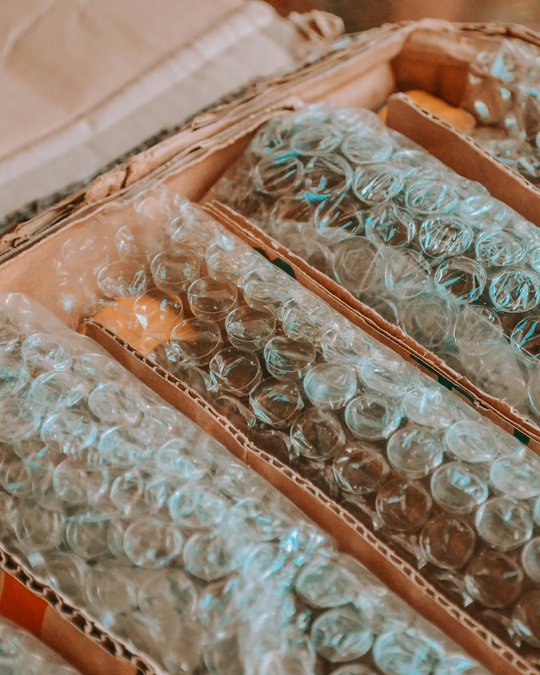
| Bubble wrap | Bubble wrap is one of the most commonly used materials for protecting fragile items. Wrap the product completely to create a cushioning layer that absorbs impacts. |
| Protective foam | Foam is an excellent option for electronic products, precision components, glassware and ceramics, as it provides additional protection against impacts and vibrations. |
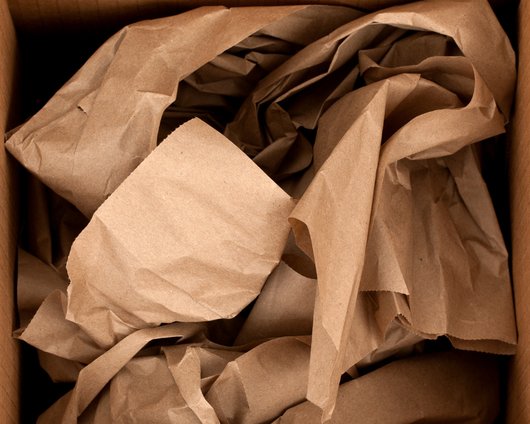
| Kraft paper and void fill paper | These materials can be used to fill empty spaces inside the box, preventing the product from moving during transport. |
| Air pillows or cushioning material | Inflatable air pillows and other cushioning materials help keep the contents securely in place and reduce the risk of damage. |
| Corner protectors | These are particularly useful for screens, framed pictures, furniture, mirrors and any products with exposed edges. |
| Heavy-duty packing tape | Use high-strength packing tape to reinforce all the seams of the parcel and prevent it from opening accidentally during transport. |
| Handling labels | Labels such as “Fragile”, “This Way Up” and “Handle with Care” make the contents easier to identify, but they should never be used as a substitute for appropriate packaging. |
Packaging Materials Checklist
Before preparing your shipment, check that you have:
A sturdy cardboard box.
Bubble wrap.
Protective foam.
Kraft paper or void fill paper.
Air pillows or cushioning material.
Corner protectors.
Heavy-duty packing tape.
Handling labels.
Not sure whether you can ship your products with Spring GDS? Contact us to learn more about our services and find the international e-commerce shipping solution that best suits your business.
Steps for Preparing More Secure Packaging
Preparing your parcel correctly considerably reduces the risk of damage during shipping. Following these steps will help you provide better protection for any fragile product.
1. Check the Condition of the Product
Before packing, check that the item is in perfect condition and remove any elements that could cause damage during transport.
Whenever possible, record the condition of the product before packing, particularly for high-value or sensitive goods. This supports traceability and makes it easier to manage incidents or claims throughout the logistics chain.
2. Protect the Product Directly
Wrap the item completely in bubble wrap, protective foam or a combination of both if the product is particularly delicate.
Select the protective material based on the product’s fragility, weight and shape. Using the right amount of protection helps absorb impacts and vibrations generated during handling, sorting and transport.
3. Reinforce the Most Vulnerable Areas
Protect corners, edges and protruding parts using purpose-designed protectors or additional layers of foam.
These areas are particularly vulnerable to damage caused by impacts and compression during logistics operations, so they require a higher level of protection than the rest of the product.
4. Choose the Right Size Box
The box should provide enough space for protective material around the product, without leaving too much empty space.
In addition to choosing the right size, it is important to select packaging that is strong enough for the weight of the goods and the anticipated storage, handling and transport conditions.
5. Fill All Empty Spaces
Use kraft paper, air pillows or another cushioning material until the product is held securely in place.
The aim is to prevent any movement inside the box, as internal movement significantly increases the risk of impact damage during distribution.
6. Use the Double-Boxing Method
For particularly delicate or high-value goods, place the first box inside a larger box, with an additional layer of protective material between them. This method provides greater resistance to impacts.
Double-boxing also improves resistance to compression and vibrations, providing additional protection during automated sorting and transport processes.
7. Seal the Parcel Securely
Reinforce all the seams with heavy-duty packing tape, particularly at the top and bottom of the box.
We recommend using the H-taping method, as it distributes pressure across the packaging more effectively and reduces the risk of the box opening accidentally during handling.
8. Label the Shipment
Add the appropriate handling labels to help ensure suitable handling throughout the logistics process.
Check that the shipping label remains fully visible and that the barcode can be scanned without obstruction, avoiding placing packing tape or other materials over it that could make it difficult to read.
Mistakes to Avoid When Packing Fragile Products
Even when high-quality materials are used, certain mistakes can compromise the security of the shipment:
- Using boxes that are too large or damaged.
- Failing to fill empty spaces.
- Using too little protective material around the product.
- Sealing the box with too little packing tape.
- Relying solely on a “Fragile” label.
- Packing several delicate items together without internal dividers.
Avoiding these practices helps reduce the risk of shipping issues and provides greater protection during transport, helping your e-commerce deliveries arrive in perfect condition.

FAQ
How Should You Pack a Fragile Item?
Wrap the product in bubble wrap or protective foam, place it in a sturdy box, fill all empty spaces and seal the parcel securely with heavy-duty packing tape.
What Is the Best Material for Protecting Fragile Products?
The most commonly used materials are bubble wrap, protective foam, kraft paper and air pillows, as they help absorb impacts and prevent movement during transport.
When Should You Use Double-Boxing?
Double-boxing is recommended for particularly delicate or high-value products, as it adds an extra layer of protection against impacts.
It is also recommended for international or long-distance shipping, as well as for glassware, ceramics, electronic components and heavy goods. In these cases, double-boxing helps distribute loads more effectively and reduces the risk of damage caused by impacts, vibrations and compression during transport.
Do “Fragile” Labels Guarantee Safe Transport?
No. These labels provide handling guidance, but protection depends primarily on appropriate packaging and ensuring that the product is properly secured inside the box.
What Mistakes Should You Avoid When Packing Fragile Items?
The most common mistakes include reusing damaged boxes, leaving empty spaces, using too little protection, sealing the parcel incorrectly and relying solely on a “Fragile” label.


